Blog

Range Hood Buying Guide: CFM Ratings, Ducted vs Ductless, and Installation Tips
Range Hood Buying Guide: Understanding CFM Ratings, Choosing Between Ducted and Ductless Systems, and Installation Tips for Homeowners
Choosing the right range hood is essential for maintaining a clean and healthy kitchen environment. This comprehensive guide will help you understand critical aspects such as CFM ratings, the differences between ducted and ductless systems, and installation tips. Range hoods play a vital role in kitchen ventilation by removing smoke, odors, and airborne grease, ensuring a pleasant cooking experience. Many homeowners struggle with selecting the best range hood that meets their specific needs and preferences. This guide provides solutions by breaking down the essential factors to consider when purchasing a range hood. We will explore CFM ratings, the pros and cons of ducted versus ductless systems, installation tips, and maintenance advice to keep your kitchen ventilation optimal.
What Are CFM Ratings and How Do They Affect Range Hood Performance?
CFM, or cubic feet per minute, measures the airflow capacity of a range hood, indicating how effectively it can ventilate your kitchen. A higher CFM rating means the range hood can move more air, which is crucial for removing smoke, steam, and odors generated during cooking. Understanding CFM ratings is essential for selecting a range hood that meets your kitchen's ventilation needs. The ideal CFM rating depends on various factors, including the size of your kitchen and the type of cooking you do.
Further research emphasizes the critical role of appropriate CFM levels in maintaining healthy indoor air quality by effectively removing pollutants.
Range Hood CFM for Healthy Indoor Air Quality
healthy indoor air quality levels by removing air pollutants to % at the range-hood operating speed of 250 CFM with an these locations which could affect the accuracy of measuring the
CFD Analysis of Airflow for Capture Efficiency of Residential Range-Hoods, 2021
How Is CFM Measured and What Does It Mean for Kitchen Ventilation?
CFM is measured by calculating the volume of air a range hood can move in one minute. This measurement is crucial for determining how well the hood can ventilate your kitchen. For effective kitchen ventilation, it's essential to choose a range hood with an appropriate CFM rating based on your cooking habits and kitchen size. A range hood with a higher CFM rating will provide better ventilation, especially in kitchens where heavy cooking occurs frequently.
What Is the Ideal CFM Rating for Different Kitchen Sizes?
The ideal CFM rating varies depending on kitchen size and cooking style. Here are some general guidelines:
| Kitchen Size | Recommended CFM |
|---|---|
| Small (up to 100 sq. ft.) | 100-300 CFM |
| Medium (100-200 sq. ft.) | 300-600 CFM |
| Large (over 200 sq. ft.) | 600+ CFM |
These recommendations ensure that your range hood effectively removes smoke and odors, maintaining a comfortable cooking environment.
Ducted vs Ductless Range Hoods: Which Ventilation System Is Best for Your Kitchen?

When selecting a range hood, one of the most significant decisions is whether to choose a ducted or ductless system. Each type has its advantages and disadvantages, making it essential to understand their differences to make an informed choice.
What Are the Key Differences Between Ducted and Ductless Range Hoods?
Ducted range hoods vent air outside, while ductless range hoods filter and recirculate air back into the kitchen. Here are the key differences:
- Ducted Range Hoods: Require ductwork for installationMore effective at removing smoke, odors, and moistureTypically quieter due to external venting
- Ductless Range Hoods: Easier to install, no ductwork neededUse charcoal and grease filters to clean the air before recirculatingMay require more frequent filter replacements
Understanding these differences will help you choose the best option for your kitchen's ventilation needs.
Studies have further explored the performance and energy efficiency considerations when comparing ducted and recirculating (ductless) range hoods, especially in modern, energy-efficient homes.
Ducted vs. Recirculating Range Hoods: Performance & Energy Efficiency
Conventionally, range hoods expel the air into the ambient. A number of studies have investigated their contaminant capture performance. However, for highly energy efficient houses the installation of extracting range hoods can pose certain challenges, e.g. high ventilation losses, additional thermal bridges and potential air leakage sites. Therefore, the use of recirculation range hoods has become standard for highly energy efficient housing with mechanical ventilation with heat recovery in Central Europe.
Comparing extracting and recirculating residential kitchen range hoods for the use in high energy efficient housing, I Walker, 2017
What Are the Pros and Cons of Ducted and Ductless Ventilation?
Both ducted and ductless range hoods have their pros and cons. Here’s a quick comparison:
| Feature | Ducted Range Hoods | Ductless Range Hoods |
|---|---|---|
| Installation | More complex | Easier |
| Air Quality | Better (removes smoke, odors, and moisture) | Moderate (filters odors and grease but recirculates moisture) |
| Noise Level | Generally quieter | Can be noisier |
| Maintenance | Less frequent | More frequent filter changes |
This comparison highlights the strengths and weaknesses of each system, allowing you to make an informed decision based on your kitchen's specific requirements.
Step-by-Step Range Hood Installation Tips for Safe and Effective Setup
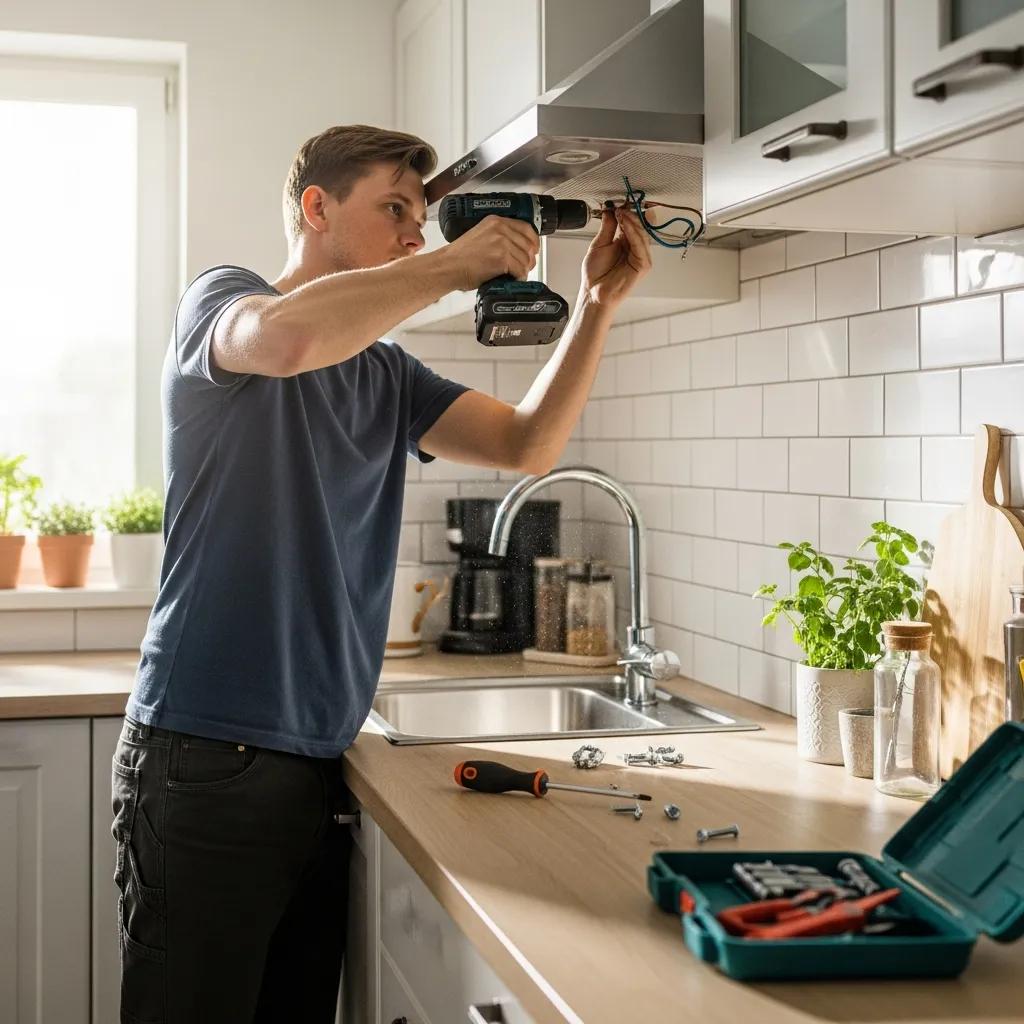
Installing a range hood can be a straightforward process if you follow the right steps. Proper installation ensures optimal performance and safety in your kitchen.
Proper installation, including careful mounting and adherence to design tips, is crucial for ensuring the range hood's effectiveness and safety.
Range Hood Installation: Mounting & Design Tips
mounting the range hood flush with the adjacent cabinetry and using the manufacturer suggested mounting Therefore, proper design measures were taken to ensure that range hoods
The design, construction and evaluation of a test chamber for measuring rangehood capture efficiency, M Pate, 2020
What Tools and Materials Are Needed for Range Hood Installation?
Before starting the installation, gather the necessary tools and materials:
- Tools: ScrewdriverDrillLevelMeasuring tape
- Materials: Range hoodDuctwork (for ducted systems)Mounting bracketsElectrical wiring (if needed)
Having these tools and materials ready will streamline the installation process.
How Do You Properly Install a Range Hood: A Detailed Guide
Follow these steps for a successful range hood installation:
- Measure and Mark: Determine the appropriate height for the range hood above the cooktop and mark the installation points. The recommended height is typically 24 to 30 inches above the cooking surface for electric ranges and 27 to 30 inches for gas ranges.
- Install Mounting Brackets: Secure the mounting brackets to the wall or under the cabinet, ensuring they are level.
- Connect Ductwork: For ducted systems, connect the ductwork to the range hood and ensure a tight seal.
- Electrical Connections: If your range hood requires electrical connections, follow the manufacturer's instructions for wiring.
- Test the Hood: Once installed, test the range hood to ensure it operates correctly and efficiently.
Following these steps will help you achieve a safe and effective installation.
How to Choose the Best Range Hood for Your Kitchen Needs
Selecting the right range hood involves considering several factors to ensure it meets your kitchen's specific requirements.
What Factors Should You Consider When Selecting a Range Hood?
When choosing a range hood, consider the following factors:
- Size: Ensure the range hood is at least as wide as your cooktop, ideally 3 inches wider on each side.
- CFM Rating: Choose a CFM rating that matches your cooking style and kitchen size.
- Style: Select a style that complements your kitchen decor, such as under-cabinet, wall-mounted, or island hoods.
- Noise Level: Consider the noise level of the range hood, especially if you have an open-concept kitchen.
These factors will help you find a range hood that fits your needs and enhances your kitchen's functionality.
How Do Energy-Efficient and Smart Features Impact Range Hood Selection?
Energy-efficient range hoods can save you money on utility bills while providing effective ventilation. Look for models with energy-efficient motors and LED lighting. Additionally, smart features such as remote control and integration with home automation systems can enhance convenience and functionality. These features not only improve the user experience but also contribute to a more sustainable kitchen environment.
Range Hood Maintenance and Repair: Keeping Your Kitchen Ventilation Optimal
Regular maintenance is essential for ensuring your range hood operates efficiently and effectively. Proper care can extend the life of your appliance and maintain optimal kitchen ventilation.
What Are Common Range Hood Maintenance Tasks and How Often Should They Be Done?
To keep your range hood in top condition, perform the following maintenance tasks regularly:
- Clean Filters: Wash or replace filters every 1-3 months, depending on usage and filter type.
- Check Fan Operation: Ensure the fan operates smoothly and quietly.
- Inspect Ductwork: Check for any blockages or damage in the ductwork annually.
Regular maintenance will help prevent issues and ensure your range hood functions effectively.
When Should You Book Professional Repair Services for Your Range Hood?
You should book professional repair services for your range hood when you notice signs of malfunction, such as poor ventilation, unusual noises, or if it stops working altogether. Additionally, scheduling regular maintenance at least once a year can help prevent emergencies and ensure optimal performance. If urgent issues arise, it's best to act quickly and contact a certified technician for assistance.
Understanding Range Hood Noise Levels and How to Minimize Disruption
Noise levels can vary significantly between different range hood models. Understanding the sources of noise and how to minimize it can enhance your cooking experience.
What Causes Noise in Range Hoods and How Is It Measured?
Noise in range hoods typically comes from the fan motor and airflow. Noise levels are measured in sones, with lower sones indicating quieter operation. When selecting a range hood, consider the noise level specifications to ensure it meets your preferences.
What Are Effective Ways to Reduce Range Hood Noise?
To minimize noise from your range hood, consider the following strategies:
- Choose a Quieter Model: Look for range hoods with lower sone ratings.
- Install Soundproofing: Use soundproofing materials in the installation area to dampen noise.
- Regular Maintenance: Ensure the fan and motor are well-maintained to reduce operational noise.
Implementing these strategies can help create a more pleasant cooking environment.
How to Interpret Range Hood Specifications: Filters, Brands, and Models Explained
Understanding range hood specifications is crucial for making an informed purchase. Familiarizing yourself with the various components can help you choose the best model for your needs.
What Types of Filters Are Available and How Do They Affect Performance?
Range hoods typically use two types of filters: grease filters and charcoal filters. Grease filters, usually made of metal mesh or baffle, capture airborne grease, while charcoal filters absorb odors. Choosing the right filter type is essential for optimal performance and air quality in your kitchen.
How Do Brand and Model Variations Influence Range Hood Quality?
Different brands and models can vary significantly in quality and performance. Researching reputable brands and reading customer reviews can help you identify models that offer reliable performance and durability. Investing in a high-quality range hood can enhance your kitchen's ventilation and overall functionality.
Local Expertise: Why Choose Al's Appliance Repair for Range Hood Sales and Services in Guelph and Surrounding Areas?
You should choose Al's Appliance Repair for range hood sales and services in Guelph and surrounding areas because they offer prompt and professional repair services, use high-quality parts, and provide comprehensive manufacturer warranties on new appliances. Their skilled technicians have extensive experience in diagnosing and fixing a wide range of appliances, ensuring efficient and reliable service. Additionally, they have a hassle-free return policy and prioritize customer satisfaction.
What Makes Al's Appliance Repair a Trusted Local Business for Range Hood Needs?
Al's Appliance Repair is a trusted local business for range hood needs due to its team of skilled technicians who provide prompt and professional repair services. They use genuine, high-quality parts to ensure the longevity of appliances and offer a commitment to customer satisfaction, including clear communication and tailored service. Additionally, they have a hassle-free return policy and comprehensive manufacturer warranties on new appliances, which further enhances customer trust.
How Can You Book Repair or Installation Services with Al's Appliance Repair?
You can book repair or installation services with Al's Appliance Repair by scheduling your repair appointment online or contacting them directly. You can reach them at +1 519-824-8828 or email [email protected] for assistance.

Head Office: 6 Holliday Street Guelph, Ontario N1H 4Z6
Showroom: 20 Stewart St. Kitchener On. N2G 2E4
Copyright © 2025 All Rights Reserved | Al's Appliance Inc. | Designed & Developed by TWA Studio | Powered by Niceapp.ai