Discover the Best Options: Your Stove Types Comparison Guide
Stove Types Comparison Guide: How to Choose the Best Stove for Your Home
When it comes to upgrading your kitchen or planning a renovation, choosing the right stove isn’t just about style—it’s about performance, safety, energy use, and daily convenience. With so many stove types and features to compare, making an informed decision can feel overwhelming.
At Al’s Appliance, we help homeowners, property managers, and public housing providers across Guelph, Kitchener, Cambridge, and Waterloo find dependable kitchen appliances that fit their space and budget. Whether you're searching for a high-performance range or a cost-effective unit for a rental, this stove comparison guide will walk you through your options and help you choose the best stove for your home.
A Comparison of Different Types of Stoves
What Defines Gas Stoves and What Are Their Key Features?
Gas stoves use natural gas or propane as a fuel source and are prized for their instant heat control and visible flame. They’re often favored by home chefs who value precision and speed, especially for tasks like searing or stir-frying. Many models also work during power outages, a feature some households rely on during winter storms or emergencies.
However, they do require a proper gas hookup, regular maintenance, and adequate ventilation. For those already equipped with gas lines, they remain one of the most popular household stove choices.
How Do Electric Stoves Differ: Coil, Smooth Top, and Induction Explained?
Electric stoves come in a few variations:
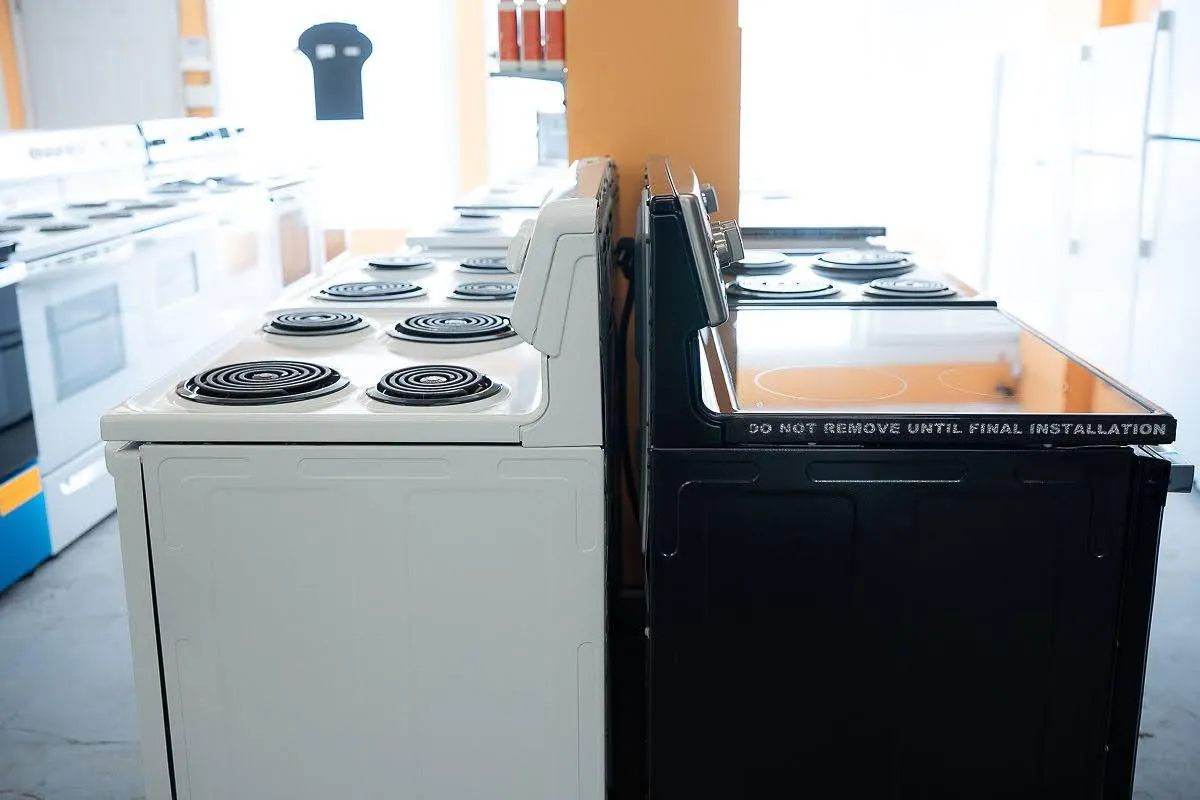
Coil-top stoves: These are budget-friendly and easy to repair but can be harder to clean.
Smooth-top radiant stoves: Sleek and modern, they offer even heating and easier cleanup but can be scratched by heavy cookware.
Induction cooktops: These use magnetic fields to heat pots directly, making them incredibly energy-efficient and fast. However, they require compatible cookware and tend to cost more upfront.
Electric ranges are especially useful where gas isn't available and are common in both modern homes and rental units.
What Are Dual Fuel Stoves and When Should You Consider Them?
Dual-fuel stoves combine a gas cooktop with an electric oven, giving users the best of both worlds—gas for precise stovetop cooking and electric heat for even baking. These units are ideal for serious home chefs and those who want professional performance in their kitchens.
While they’re typically more expensive and may require both gas and 220V electrical connections, many see them as a top-tier investment in cooking versatility.
What Are Portable and Smart Stoves: Features and Benefits?
For smaller kitchens or occasional use, portable stoves (gas or electric) offer flexibility and are great for basement suites, RVs, or auxiliary cooking stations.
Smart stoves, on the other hand, come equipped with Wi-Fi, app control, safety alerts, and pre-programmed cooking settings. While newer to the market, these tech-savvy stoves are gaining popularity for households interested in modern convenience and energy monitoring features.
How Do Stove Materials and Technologies Impact Performance?
Build quality and materials matter when it comes to cooking performance and longevity:
Stainless steel exteriors are durable and easy to clean.
Cast iron grates on gas stoves offer excellent heat retention.
Ceramic or glass cooktops provide a sleek look but require gentle care.
Technology also plays a role—features like convection ovens, self-cleaning cycles, and touchscreen controls can improve cooking results and make daily use more convenient.
The Pros and Cons of Gas and Electric Stoves

What Are the Advantages of Gas Stoves for Cooking and Energy Use?
Gas stoves are known for quick response times, better flame control, and often lower operating costs, depending on your local gas rates. Many users find the tactile control of knobs and visible flames reassuring, especially for dishes that require fine-tuned heat.
However, they can pose safety concerns if leaks occur, and they require proper ventilation to avoid indoor air quality issues.
What Are the Benefits and Drawbacks of Electric Stoves?
Electric stoves, particularly smooth-top models, are easy to clean and simple to install. They offer consistent heat and generally pose fewer risks than open flames.
On the downside, coil models can heat unevenly, and power outages can render them useless unless backed up by a generator.
How Does Induction Technology Compare to Traditional Electric and Gas?
Induction stoves bring next-level efficiency and speed, boiling water faster than either gas or traditional electric. They're also considered safer since the cooktop stays relatively cool to the touch.
But they do come at a higher price point and require specific cookware, which can add to your overall investment.
What Are the Cost Differences Between Gas and Electric Stoves?
Gas stoves: Slightly more affordable upfront but may require gas line installation if not already present.
Electric stoves: Typically cost-effective, especially coil-top models.
Induction stoves: Higher upfront costs, but long-term energy savings may offset the difference.
Dual fuel units: Generally the most expensive due to dual systems and installation complexity.
Don't forget to factor in installation considerations, including ventilation, wiring, and space requirements.
How Do Energy Efficiency and Environmental Impact Compare?
If energy efficiency is your top priority, induction stoves lead the way by using up to 90% of generated energy to directly heat cookware. Gas stoves, while effective, tend to waste more energy and contribute to carbon emissions. Electric ranges fall somewhere in between, especially when paired with smart timers or thermostats.
Key Factors to Consider When Buying a Stove
What Are the Key Factors to Evaluate Before Purchasing a Stove?
Some questions to ask yourself:
What type of cooktop fits my cooking style?
Do I need smart features or basic functionality?
How much space do I have in my kitchen?
Will the stove fit my electrical or gas connections?
Matching your stove to your daily needs, layout, and budget ensures long-term satisfaction.
How Do Stove Size and Oven Capacity Affect Your Choice?
Stoves range from 20-inch compact units to 36-inch pro-style ranges. The average household stove is 30 inches wide.
Larger ovens are ideal for frequent baking or big families, while compact stoves suit apartments or secondary suites. Always double-check fit before purchase—especially for built-in or tight kitchen layouts.
What Installation Requirements Should You Know?
Gas stoves require a certified gas line hookup and proper ventilation.
Electric stoves need a 240V outlet.
Induction ranges may need upgraded electrical capacity.
Dual fuel stoves need both.
Al’s Appliance offers professional installation services across Guelph, Kitchener, and nearby areas to make sure your new stove is installed safely and correctly.
How Important Are Stove Features Like Convection and Self-Cleaning?
Convection ovens: Use a fan for faster, more even cooking—ideal for baking.
Self-cleaning cycles: Burn off residue at high heat, reducing manual scrubbing.
Smart timers and air-fry settings: Add convenience and functionality for modern cooks.
While not essential, these features can dramatically enhance your cooking experience and save time.
What Safety Tips Should New Owners Follow?
Clean burners and grates regularly to prevent grease buildup.
Inspect electric coils or induction zones for wear or damage.
Never use harsh abrasives on smooth tops—use stove-safe cleaners.
Keep manuals handy for troubleshooting.
A well-maintained stove not only performs better—it lasts longer.
Identifying and Selecting Energy-Efficient Stoves
What Does Energy Star Certification Mean for Stoves?
While Energy Star doesn’t currently certify standard cooktops, ovens and ranges with energy-saving features—like convection cooking or smart timers—may carry similar eco-labels.
Look for models that optimize power usage, especially in the oven.
Which Stove Types Are Most Energy Efficient?
Induction stoves are the most efficient, transferring up to 90% of energy to cookware.
Electric smooth-top ranges come next, with even heat and minimal waste.
Gas stoves, while powerful, lose more heat to the air and require constant ventilation.
For daily use, induction saves energy and often cooks faster.
What Energy-Saving Tips Can Help Reduce Stove Operating Costs?
Use lids on pots to trap heat.
Match burner size to pan diameter.
Keep burners and reflectors clean to boost efficiency.
Bake multiple dishes at once if using the oven.
These small adjustments can cut energy bills over time, especially in busy households.
How Do Smart Stoves Integrate Energy Efficiency and Convenience
Smart ranges offer:
Preheat scheduling
Usage tracking
Remote shut-off
Energy-saving modes
By automating usage and allowing remote control, smart stoves help reduce unnecessary energy use while increasing safety and convenience.
What Are the Long-Term Savings of Choosing an Energy-Efficient Stove?
Energy-efficient stoves may have a higher upfront cost, but they:
Lower utility bills over time
Reduce heat loss and wasted energy
Require fewer repairs when well-maintained
For property managers, investing in energy-efficient appliances also lowers tenant utility complaints and supports eco-friendly housing goals.
Common Questions About Stove Types and Their Use
How Do You Clean Different Stove Types?
Gas stoves: Remove grates and burner caps regularly and clean with warm soapy water. Use a needle or soft brush to clear burner holes.
Electric coil stoves: Lift the coil and clean the drip pans underneath. Avoid submerging the coils.
Smooth-top and induction stoves: Use a non-abrasive cleaner and microfiber cloth. Avoid harsh scrubbing pads.
Routine cleaning prevents buildup, improves performance, and extends the life of your appliance.
What Safety Precautions Are Essential for Gas and Electric Stoves?
For gas stoves, ensure proper ventilation and check for gas smells. Never use during a power outage unless it's designed for manual ignition.
For electric and induction models, avoid using damaged cords or outlets and never touch heated surfaces directly.
Install smoke detectors and keep flammable items away from the stove.
Always follow the manufacturer’s safety guidelines to reduce fire risk and accidental burns.
How Do Stove BTU Ratings Affect Cooking Performance?
BTU (British Thermal Unit) ratings measure the heat output of gas burners. A higher BTU:
Boils water faster
Improves searing and stir-frying
Consumes more gas if not regulated
Look for a mix of high and low BTU burners to accommodate different cooking styles.
Can You Use Smart Features Like Wi-Fi and Voice Control on All Stoves?
Smart features are available on select electric, induction, and dual fuel models. They include:
Wi-Fi connectivity for remote preheating
Voice control via Alexa or Google Home
Cooking alerts and auto shut-off for safety
Note: Not all brands support third-party integrations, so check compatibility if smart tech matters to you.
What Are the Typical Lifespans of Different Stove Types?
Gas stoves: 15–20 years with regular maintenance
Electric stoves: 13–18 years
Induction stoves: 10–15 years, depending on usage
Dual fuel stoves: Around 15 years, often requiring occasional electrical or gas component servicing
Lifespan depends on brand quality, usage frequency, and how well the unit is maintained.
How Stove Prices Vary by Type and Brand
What Is the Price Range for Gas Stoves and What Influences Cost?
Entry-level: $600–$900 (basic features, smaller ovens)
Mid-range: $1,000–$1,800 (convection, stainless steel)
High-end: $2,000+ (pro-grade, dual ovens, smart tech)
Cost is influenced by brand reputation, materials, and feature set.
How Much Do Electric and Induction Stoves Typically Cost?
Electric coil ranges: $500–$900
Smooth-top electric ranges: $700–$1,500
Induction stoves: $1,200–$3,000+
Induction models cost more up front but often save energy and time over the long run.
Are Dual Fuel Stoves More Expensive and Are They Worth It?
Yes, dual fuel stoves typically cost $2,000–$4,000+, but they combine:
Gas cooktop responsiveness
Electric oven precision
Premium build and performance
They're worth it for serious home chefs or anyone who wants the best of both fuel types.
Where Can You Find the Best Options and Warranty Information?
Local appliance stores like Al’s Appliance often carry a wide selection of models.
Always review parts coverage and whether in-home service is included.
Frequently Asked Questions
1. What size stove fits in a standard kitchen?
A standard 30-inch-wide stove fits most kitchen layouts. Always measure your space (including depth and height) before buying.
2. Can I install a gas stove myself?
For safety and warranty reasons, it’s recommended to hire a licensed technician for any gas appliance installation.
3. Is induction cooking safe for kids?
Yes. Induction cooktops stay cool to the touch and only activate when compatible cookware is placed on them—making them one of the safest options.
4. What’s the difference between convection and regular ovens?
Convection ovens use a fan to circulate hot air for faster, even cooking. Traditional ovens rely solely on radiant heat.
5. Do all smart stoves require Wi-Fi to work?
No. Smart stoves function normally without Wi-Fi, but you’ll lose access to remote controls and app-based features.
Conclusion
With so many stove options available, finding the best fit comes down to your cooking habits, kitchen layout, budget, and long-term goals. Whether you need something basic for a rental unit or a smart, energy-saving upgrade for your home, the right choice is out there—and it starts with expert guidance.
At Al’s Appliance, we’ve been helping families, landlords, and property managers in Guelph, Kitchener, and Cambridge make smart appliance decisions for over 30 years. Our team can help you compare models, understand features, and even arrange installation.
Call us at +1 519-824-8828 or email [email protected] today to ask a question, get a quote, or schedule a visit. Your next stove is just a step away.