
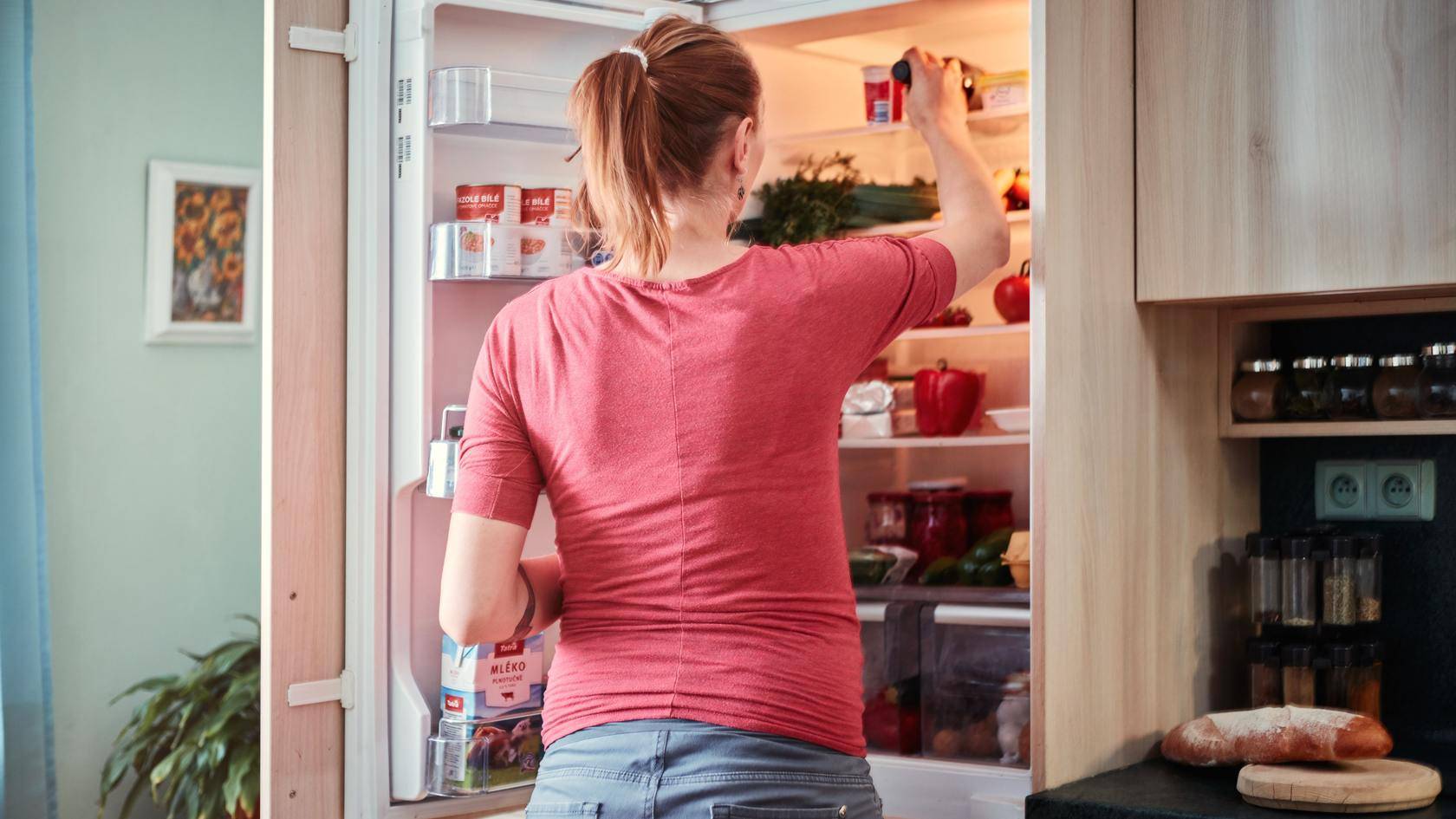
Fridge Door Seal Checkup: How to Test, Clean and Replace a Gasket
The rubber gasket around your fridge door has one job: keep cold air in and warm air out. When it tears, flattens or pulls away from the door, the fridge runs longer, frost builds up and food spoils sooner. Your hydro bill creeps up too.
Gaskets wear out slowly, so most people do not notice until something goes wrong. A quick check twice a year catches it early.
Signs Your Door Seal Is Failing
Look for condensation or frost around the door edges, or a fridge that seems to run almost all the time. A door that no longer closes with a slight suction is another clue, as are visible cracks in the rubber.
1. Do the Paper Test
Close the fridge door on a sheet of paper so half is inside and half is out, then pull it out slowly. You should feel some drag. If it slides out with no resistance, the seal is not making good contact at that spot.
Work around the whole door, especially the corners, where gaskets fail first. Then do the freezer door.
2. Try the Flashlight Test
In the evening, put a small lit flashlight inside the fridge aimed at the door seam, and close the door. Turn off the kitchen lights. Any light that shows through marks a gap.
3. Clean the Gasket
A lot of seals that seem bad are just dirty. Sticky spills and crumbs keep the rubber from sitting flat.
Wash the gasket with warm water and a little dish soap, using a soft cloth or an old toothbrush to get into the folds. A mild mix of vinegar and water helps with mould. Skip bleach and harsh cleaners, which dry out the rubber. Dry it well when you are done.
4. Reshape a Gasket That Is Out of Form
Gaskets can get folded or flattened, especially after a fridge is moved. A hair dryer on low heat, held several centimetres away and kept moving, will soften the rubber so you can gently work it back into shape by hand. Close the door and let it sit. Do not overheat it.
5. Check the Door Alignment
A door that sags will not seal no matter how good the gasket is. Open the door partway and let go. On most fridges, it should swing closed on its own, because the front is meant to sit slightly higher than the back.
If it does not, adjust the levelling legs as your manual describes. A loose hinge or a door that hangs crooked is also worth having looked at.
6. Replace a Torn or Hardened Gasket
If the rubber is cracked, torn, brittle or will not hold its shape, it is time for a fridge door seal replacement. Gaskets are specific to each model, so find your model number first. It is usually on a label inside the fresh food section.
Unplug the fridge and empty the door bins. New gaskets often arrive creased, so soak yours briefly in warm water until it relaxes.
Some gaskets press into a channel on the door. Others are held by screws under the lip of the gasket. For the screw type, loosen the screws only partway, since removing them fully can let the inner door panel shift. Slide the old gasket out, fit the new one starting at the top corners, then work down each side and retighten.
If the new gasket still does not seal, the door liner or hinge may be the real problem.
Let Us Handle the Seal
If your gasket is too far gone or you would rather have it done right the first time, Al's Appliance can install the correct gasket for your model. We provide in-home refrigerator repair in Guelph and fridge repair in Kitchener, plus service across Waterloo and Cambridge.
If the fridge has bigger problems and it is time to move on, our Guelph head office at 6 Holliday Street and our Kitchener showroom at 20 Stewart Street carry new, used and scratch and dent refrigerators, with delivery available.
Call 519-824-8828 or visit alsappliance.ca to book a repair.