
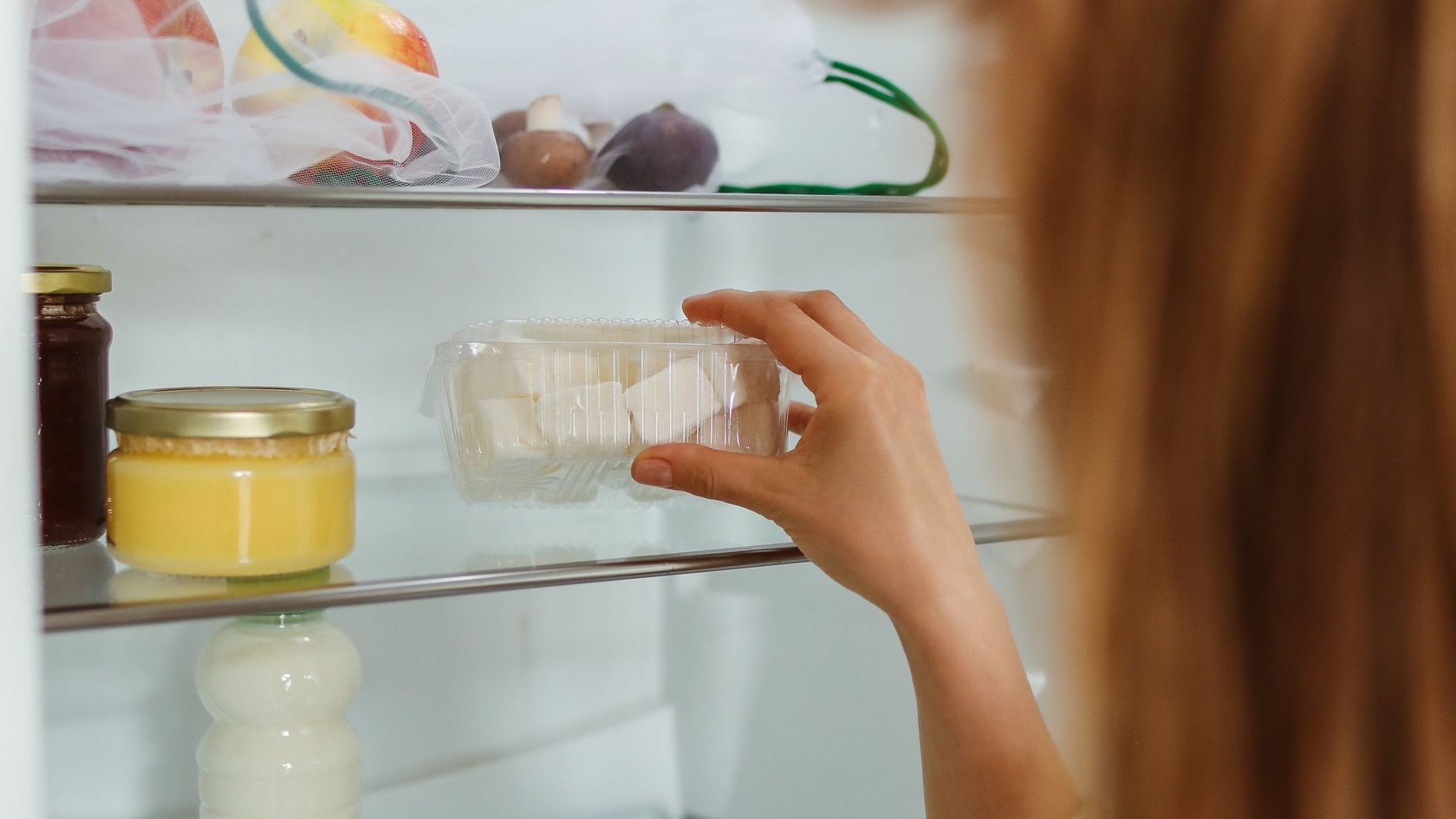
Fridge Freezing Food in the Fresh Food Section? Causes and Fixes
Frozen lettuce, slushy milk and eggs cracking in the carton are not what you want from a refrigerator. When your fridge is freezing food, the cause is usually a setting, an airflow problem, or a part that controls how much cold air reaches the fresh food section.
Most of the first checks take a few minutes and no tools.
How Your Fridge Moves Cold Air
In most modern fridges, all the cold is made in the freezer. A fan pushes some of that freezer air into the fresh food section through a vent, and a damper controls how much gets through. When too much cold air comes in, or it blows straight onto your food, things freeze.
1. Check the Temperature Setting
Controls get bumped when groceries go in, and a dial turned all the way to the coldest setting will freeze food fast.
Your fresh food section should sit between 1.5 and 3 degrees Celsius, and no higher than 4. The freezer should be at minus 18. Put a thermometer in a glass of water on a middle shelf and check it after 24 hours. If it reads zero or below, turn the setting one step warmer and give it a full day before adjusting again.
2. Move Food Away from the Vents
The coldest spot in the fridge is right in front of the vents where freezer air comes in, usually along the back wall near the top. Food pressed against those vents can freeze even when the overall temperature is fine.
Leave a few centimetres of space in front of them, and keep tall containers from blocking them.
3. Do Not Run It Too Empty or Too Full
A nearly empty fridge has little in it to hold the cold, so temperatures swing more. An overstuffed fridge blocks airflow and creates cold pockets. Aim for well stocked but not packed.
4. Check the Drawer Settings
Some fridges have a deli or chill drawer that runs colder on purpose, and some crispers have their own temperature control. If produce is freezing in one drawer only, check whether that drawer is set for meat or deli.
5. Inspect the Door Gasket
It sounds backwards, but a leaking door seal can contribute. Warm, humid air gets in, the fridge runs longer to make up for it, and frost builds near the door and vents.
Close the door on a sheet of paper and pull it out. You should feel some drag. If it slides out freely in several spots, the gasket needs cleaning or replacing. Our fridge door seal checkup post covers that in detail.
6. A Stuck Damper or Failed Thermistor
If the settings and airflow check out, the problem is usually a part. The air damper is a small flap, often motorized, that opens and closes to let freezer air into the fridge. If it sticks open, cold air pours in nonstop and food freezes.
The thermistor is a sensor that tells the control board how cold the fridge is. If it fails or reads low, the board may keep cooling long after it should stop. Older fridges with a mechanical thermostat can have the same problem when that control wears out.
Testing these parts means removing interior panels and using a meter, so leave it to a technician. Unplug the fridge before you pull it out or remove any cover.
7. A Control Board Fault
Less often, the main control board is to blame. This usually comes up only after the simpler parts are ruled out. Control boards, and anything involving the sealed refrigerant system, are strictly technician work.
Fridge Still Freezing? We Can Fix That
If you have adjusted the settings and cleared the vents and your fridge is still freezing food, Al's Appliance can find out why. We provide in-home refrigerator repair in Kitchener, fridge repair in Guelph, and service across Waterloo and Cambridge. Freezing problems often come down to one part, and a proper diagnosis keeps you from paying for parts you do not need.
Call 519-824-8828 or visit alsappliance.ca to book a repair.